
Ageing gradually changes the way skin looks and feels. Fine lines become more noticeable, facial contours may lose definition, and the skin can appear less firm over time. Choosing the right laser treatment for aging skin can help address specific concerns, but it is important to understand how different aesthetic technologies work.
At Dr Jon Yong Aesthetic Clinic, various approaches to skin ageing are available, including laser treatments, Radiofrquency Skin Tightening, ultrasound and other aesthetic procedures. While these treatments aim to improve skin quality and address visible signs of ageing, each works differently and serves distinct treatment objectives. Understanding how these technologies work, their potential benefits and their limitations can help individuals make more informed decisions about their skin concerns and explore suitable options with a qualified medical doctor.
Understanding How Laser Skin Tightening Works
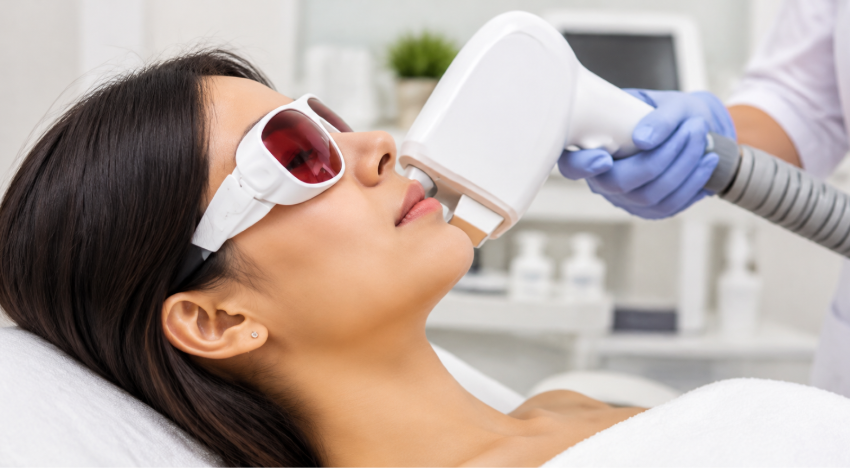
Laser treatments use concentrated light energy to interact with specific structures within the skin. Depending on the wavelength and technology used, the laser can target water, pigmentation or other skin components to address different concerns. For skin rejuvenation, certain laser technologies deliver controlled thermal energy into the skin, stimulating the body’s natural repair response and supporting collagen production. Collagen is an essential structural protein that helps maintain the skin’s firmness, elasticity and overall texture.
Different laser approaches can address different concerns:
| Laser Type | How It Works |
| Fractional Laser | Creates controlled microscopic treatment zones to stimulate skin renewal and collagen remodelling. |
| CO2 Laser Resurfacing | Removes controlled layers of damaged skin, encouraging renewal and improving the appearance of wrinkles and uneven texture. |
| Non-Ablative Laser | Delivers energy into deeper skin layers while leaving the outer skin surface largely intact. |
These approaches are not interchangeable. Some primarily improve surface texture, while others target deeper structures associated with skin firmness. The choice depends on the individual’s skin condition, treatment objectives and suitability for the particular technology.
How Other Energy-Based Treatments Differ
Laser is only one category of technology used in aesthetic skin rejuvenation. Radiofrquency Skin Tightening and ultrasound also use controlled energy to stimulate changes within the skin, but they work different
1. Radiofrquency Skin Tightening Treatments
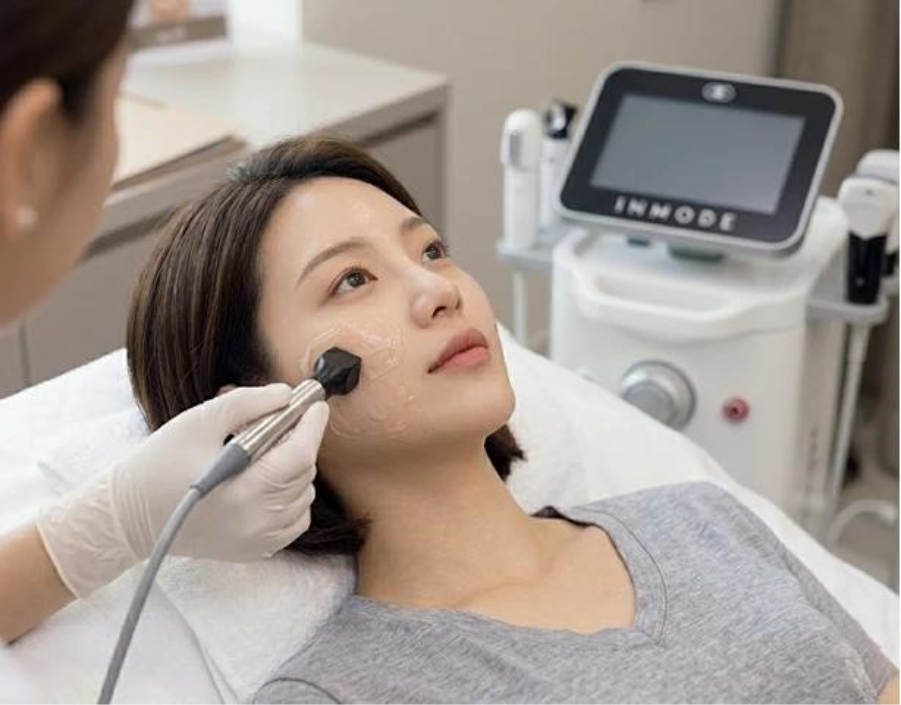
Radiofrquency Skin Tightening (RF) treatments use electrical energy to generate controlled heat within the skin. This thermal effect can stimulate collagen remodelling and support improvements in skin firmness. Unlike laser technology, RF does not rely on concentrated light energy. Instead, it uses an electrical current to heat the targeted tissue.
RF treatments are commonly considered for concerns such as:
Mild skin laxity around the face and neck.
Reduced skin firmness.
Fine lines and changes in skin texture.
Areas where collagen support has gradually declined.
Some procedures combine Radiofrquency Skin Tightening with microneedling. RF microneedling uses fine needles to deliver energy into selected skin depths, combining controlled micro-injuries with thermal stimulation. This approach can address skin texture, elasticity and certain surface irregularities. However, it requires careful assessment because needle depth, energy settings and skin condition influence treatment suitability.
2. Ultrasound Skin Tightening
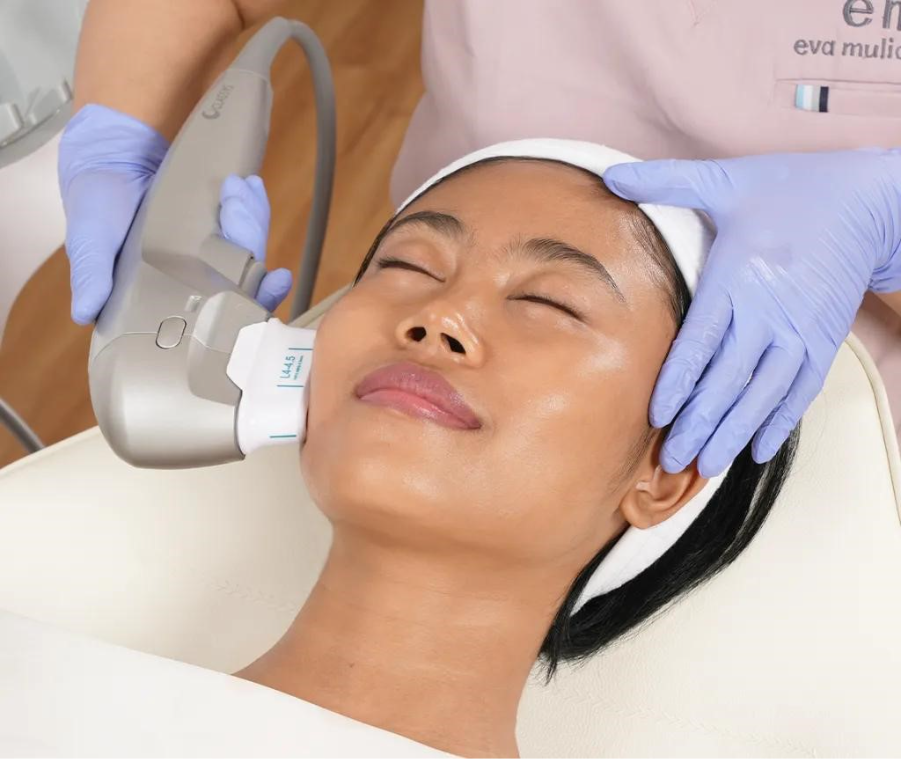
Ultrasound treatments use focused sound-wave energy rather than light or electrical current. This energy is delivered to selected depths within the tissue, where controlled heating can stimulate collagen remodelling. High-Intensity Focused Ultrasound (HIFU) is one example. It delivers energy to deeper structural layers associated with skin support, making it a treatment option for selected concerns involving the brow, jawline and neck.
Another technology offered at Dr Jon Yong Aesthetic Clinic is Sofwave, which uses ultrasound energy to stimulate collagen remodelling within targeted layers of the skin. Although both treatments use ultrasound, they differ in how energy is delivered and the tissue depths they target. Therefore, they should not be considered interchangeable procedures.
3. Intense Pulsed Light Treatments
Intense Pulsed Light (IPL) uses broad-spectrum light containing multiple wavelengths, unlike lasers, which typically deliver light at a specific wavelength.
Its primary applications often include concerns such as:
Uneven pigmentation.
Sun spots and visible discolouration.
Certain forms of redness.
Overall skin tone irregularities.
Some light-based treatments can also contribute to collagen stimulation. However, IPL is generally more focused on pigmentation and complexion concerns than treating significant skin laxity. The suitability of light-based procedures depends on skin tone, pigmentation patterns and sensitivity to light.
Laser vs Radiofrquency Skin Tightening vs Ultrasound: Key Differences
Although these technologies can all form part of an anti-ageing treatment plan, their differences are important when choosing an appropriate approach.
| Treatment | Energy Source | Main Treatment Focus |
| Laser | Concentrated light | Skin resurfacing, texture, pigmentation and selected tightening concerns |
| Radiofrquency Skin Tightening | Electrical energy | Collagen stimulation and skin firmness |
| RF Microneedling | Needles combined with Radiofrquency Skin Tightening | Texture, elasticity and selected skin concerns |
| HIFU | Focused ultrasound | Deeper tissue support and selected lifting concerns |
| Sofwave | Ultrasound energy | Collagen remodelling and skin firmness |
| IPL | Broad-spectrum light | Pigmentation, redness and uneven skin tone |
The key difference between these treatments is not just the type of energy they use, but also the depth at which it is delivered and the skin structures it is designed to target. For example, someone concerned about pigmentation and uneven skin texture may benefit from a different treatment approach than someone experiencing reduced jawline definition due to skin laxity. Using the same technology for both concerns may not address the underlying changes as effectively.
Which Treatment Is More Suitable for Ageing Skin?
There is no single energy-based procedure that suits everyone. An aesthetic clinic in Singapore can help assess your skin condition, visible signs of ageing and desired improvements to identify suitable treatment options.
When Laser Treatment May Be Considered
Laser procedures may be suitable for individuals concerned about:
Fine lines and wrinkles.
Uneven skin texture.
Sun-related pigmentation.
Certain forms of superficial skin damage.
Selected concerns involving reduced skin firmness.
Different laser technologies have different strengths. For example, resurfacing procedures focus on improving the skin’s surface and encouraging renewal, while certain non-ablative approaches target deeper tissue without removing the outer skin layer.
When Radiofrquency Skin Tightening May Be Considered
Radiofrquency Skin Tightening may be worth discussing when reduced firmness and mild skin laxity are the primary concerns.
It can encourage collagen remodelling through controlled heating. RF microneedling may also be considered when texture and selected superficial concerns require attention alongside collagen stimulation.
When Ultrasound May Be Considered
Ultrasound-based procedures may be relevant when the treatment objective involves deeper tissue support rather than surface resurfacing.
Depending on the device and individual assessment, they may be considered for concerns around the lower face, jawline, neck and brow.
An important consideration is that non-surgical energy treatments generally provide gradual and variable improvements. They should not be presented as equivalent to surgical lifting procedures.
Factors to Consider Before Choosing an Energy Treatment
Before selecting a procedure, it is important to understand the factors that influence suitability and treatment outcomes.
1. Your Primary Skin Concern
Identify whether your main concern involves wrinkles, pigmentation, uneven texture or sagging. These issues can occur together, but they do not necessarily require the same treatment.
2. Skin Type and Pigmentation
Skin tone can influence how the skin responds to certain light and laser technologies. Individuals with darker skin tones may have a greater risk of pigmentation changes with some procedures, depending on the device and settings.
A professional assessment should consider skin phototype, previous pigmentation concerns and any history of sensitivity.
3. Existing Skin Conditions
Active skin irritation, inflammation, infections and certain underlying conditions may affect treatment suitability. Previous aesthetic procedures, medications and skincare products should also be discussed during consultation.
4. Treatment Expectations
Energy-based treatments are designed to improve selected signs of ageing, not stop the natural ageing process. Results vary according to the technology, individual skin characteristics and the degree of existing skin laxity. Understanding these limitations helps establish realistic expectations.
Can Different Energy Treatments Be Combined?
In some situations, different technologies may complement one another because they address different aspects of skin ageing. For example, one procedure may focus on uneven texture, while another targets collagen stimulation and deeper skin support. A combination approach may be considered when several concerns are present. However, combining procedures does not automatically mean better results. The skin needs appropriate recovery and each treatment must be suitable for the individual.
At Dr Jon Yong Aesthetic Clinic, the anti-ageing treatment approach includes different technologies, such as fractional laser, CO2 laser, non-ablative laser, HIFU, Sofwave and RF microneedling. An individual assessment helps determine whether one procedure or a carefully planned combination is more appropriate. If you are exploring options, you can Book an Appointment to discuss your skin concerns, treatment suitability and available approaches with the clinic.
Maintaining Skin Health Alongside Professional Treatments
Professional procedures are only one part of managing visible skin ageing. Everyday habits also influence skin quality and can support the maintenance of treatment outcomes.
Consider incorporating the following practices into your routine:
Use daily sun protection: Broad-spectrum sunscreen helps protect against UV-related collagen damage and premature skin ageing.
Maintain skin hydration: Moisturisers containing ingredients such as hyaluronic acid can help support the skin barrier and reduce dryness.
Consider suitable skincare ingredients: Vitamin C and retinoids may support improvements in skin appearance when used appropriately.
Follow a balanced diet: Nutrient-rich foods provide vitamins and antioxidants that support normal skin function.
Avoid smoking: Smoking contributes to oxidative stress and can accelerate visible signs of ageing.
Prioritise consistent skincare: A manageable routine is generally more sustainable than frequently changing products or using too many active ingredients.
After an aesthetic procedure, follow the treating professional’s aftercare recommendations. This is particularly important for treatments that temporarily affect the skin barrier.
Conclusion
Laser skin tightening, Radiofrquency Skin Tightening and ultrasound treatments use different technologies to address visible signs of ageing. Each targets specific skin concerns, including wrinkles, pigmentation, uneven texture and reduced firmness. Choosing the right approach depends on your skin condition and goals. Book an appointment with Dr Jon Yong Aesthetic Clinic to discuss your skin concerns and explore suitable skin tightening and anti-ageing treatment options based on your individual needs.
