
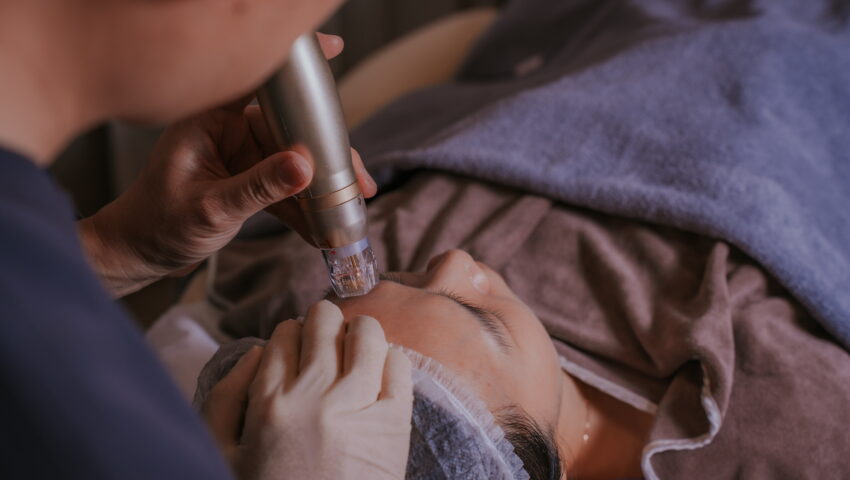
Choosing an aesthetic clinic is an important decision, particularly when you are seeking treatment for acne, acne scars, pigmentation, skin texture or signs of ageing. With many clinics offering similar-sounding procedures, comparing treatment names or prices alone may not tell you whether a particular clinic is appropriate for your needs. A suitable clinic should place medical assessment, treatment suitability, safety and realistic expectations ahead of simply recommending a popular procedure.
A good consultation should help you understand your skin concern, the available treatment options and why a particular approach may be appropriate. Dr Jon Yong Aesthetic Clinic takes an individualised approach that considers factors such as age, skin goals, lifestyle and personal needs when assessing treatment options. The clinic’s stated philosophy focuses on specific treatment protocols designed around individual priorities and requirements.
When comparing an aesthetic clinic, it can also be useful to understand whether the practice offers solutions for a broader range of skin concerns. For patients interested in improving skin firmness, texture and overall appearance, exploring options such as skin tightening treatment singapore can provide additional context about the types of aesthetic concerns that may be assessed during a consultation.
Why Does Choosing the Right Aesthetic Clinic Matter?
The clinic you choose can influence more than the procedure itself. The quality of the consultation, assessment, treatment planning and aftercare can all affect your overall experience. Aesthetic concerns are rarely identical from one person to another, so the most appropriate treatment should be determined after considering the condition of the skin, the patient’s objectives and relevant personal factors.
For concerns such as acne, the distinction between active breakouts, pigmentation, redness and established acne scars is particularly important. These concerns can require different treatment strategies, and a procedure designed for one issue may not address another. The clinic’s website identifies acne, active acne, breakouts and acne scars as separate areas of concern, reinforcing the importance of identifying what actually needs to be treated.
Understanding the clinic’s medical philosophy and approach can also help patients make a more informed decision. You can learn more about us to understand the clinic’s approach to personalised aesthetic care before deciding whether to arrange a consultation.
Aesthetic Treatment Should Be Personalised
Personalisation means more than selecting a procedure from a menu. A proper assessment should consider your current skin condition, previous treatments, lifestyle, tolerance for downtime and desired outcome. Factors such as age, skin goals and lifestyle are specifically identified by the clinic as considerations when evaluating an individual’s skin and treatment options.
This approach can also help prevent unnecessary treatment. Instead of assuming that the newest or most widely promoted procedure is automatically appropriate, patients can discuss which treatment categories are relevant to their particular concern and whether there are alternative approaches worth considering.
What Should You Look for in an Aesthetic Clinic?
The first consideration should be the medical professionals responsible for assessing and providing treatment. Look for information about the practitioner’s qualifications, experience and professional background. It is also useful to understand who will conduct the consultation, who will recommend the treatment and who will carry out the procedure.
A clear consultation process is equally important. The discussion should allow you to explain your concerns and goals while giving the practitioner an opportunity to assess your skin and discuss suitable options. A clinic that provides clear explanations about expected outcomes, limitations, risks and aftercare gives patients a stronger basis for making an informed decision.
Qualified and Experienced Medical Professionals
Before choosing an aesthetic clinic, investigate the doctor’s credentials and relevant experience. Aesthetic medicine involves understanding skin conditions, treatment indications, contraindications and potential complications, so medical expertise should be part of your decision-making process.
It is also reasonable to ask who will be responsible for your treatment from consultation through follow-up. A consistent and professional approach can make it easier to understand your treatment plan and raise questions if your skin response changes.
Aesthetic concerns can also change over time, which is why it is useful to consider whether a clinic can assess different aspects of skin health rather than focusing on a single procedure. Patients exploring age-related concerns can learn more about anti ageing treatment as part of their wider research into suitable aesthetic options.
A Clear Consultation Process
A useful consultation should go beyond asking which procedure you want. The practitioner should understand your medical and treatment history, assess your skin and discuss what you are hoping to improve. This helps establish whether the requested procedure is suitable or whether another approach may be more appropriate.
A consultation should also provide an opportunity to discuss realistic outcomes. For example, acne scars may be reduced in appearance rather than completely eliminated, and treatment may require a tailored combination of approaches depending on scar characteristics.
What Should You Check When Choosing an Acne Treatment Clinic?
Start by confirming that the clinic treats your particular concern. Acne can involve active breakouts, inflammation and recurring lesions, while acne scars represent structural changes that may require different treatment considerations. A clinic should be able to explain the distinction and identify what your treatment is intended to address.
It can also be useful to consider whether the clinic has access to different treatment categories. The clinic’s listed solutions include scar reduction and skin resurfacing, technology-based brightening and tightening treatments, medical facials and acne scar reduction. Having different options available does not automatically make one clinic better, but it may allow treatment planning to be more responsive to individual needs.
For patients whose primary concern is established acne scarring rather than active breakouts, the treatment discussion may be different. Understanding available approaches to acne scar treatment can help patients prepare more relevant questions for their consultation and understand why scar type and skin condition are important when planning treatment.
Does the Clinic Treat Your Specific Concern?
If your primary concern is acne, ask whether the clinic evaluates both current breakouts and any resulting marks or scars. Treating active acne and established scarring can involve different objectives, so a treatment plan should distinguish between them.
For patients specifically concerned about depressed acne scars, the clinic describes treatments including TCA Cross and subcision. TCA Cross uses TCA applied directly to selected atrophic scars, while subcision is intended to release fibrous connections beneath depressed scars.
Does the Clinic Explain Why a Treatment Is Recommended?
A treatment recommendation should have a clear purpose. Rather than focusing only on the name of a procedure, ask what concern it is intended to address, why it is considered suitable for your skin and what limitations you should understand before proceeding.
This is particularly important when comparing treatments for acne, acne scars, pigmentation, skin texture or laxity. The goal should be to understand the reasoning behind the recommendation instead of selecting a procedure based solely on promotional descriptions.
How Should You Evaluate Clinic Reviews?
Online reviews can provide useful information about communication, professionalism, appointment processes and general patient experience. However, reviews should be interpreted carefully because individual treatment outcomes and expectations vary. A positive review does not necessarily mean that the same treatment will be appropriate for your skin.
Look for recurring themes rather than relying on one highly positive or negative comment. Reviews discussing consultation quality, communication, professionalism and follow-up may provide more useful information than comments focused only on immediate results. Most importantly, reviews should not replace medical assessment because they cannot determine which procedure is suitable for your individual condition.
What Questions Should You Ask During Your Consultation?
A consultation should leave you with a clear understanding of your treatment plan. Ask what the main skin concern is, why the recommended treatment is suitable and whether alternative approaches are available. You should also ask about realistic outcomes, possible risks, expected downtime and aftercare.
It is equally important to ask how your progress will be monitored. Some aesthetic concerns require an evolving treatment plan rather than a single procedure. Understanding how the clinic evaluates your response can help you make a more informed decision about future treatment.
Questions Worth Asking
What is the main skin concern being treated?
Why is this treatment suitable for my skin?
Are there alternative treatment options?
What results can I realistically expect?
What are the possible risks or side effects?
How much downtime should I expect?
What aftercare will I need?
How will my progress be monitored?
What Red Flags Should You Watch For?
Be cautious if you feel pressured to book treatment immediately without having enough time to understand the recommendation. Patients should be given an appropriate opportunity to ask questions and consider whether a procedure fits their needs. Pressure-based decision-making can make it harder to evaluate treatment objectively.
Promises of guaranteed results should also be treated carefully. Individual responses to aesthetic treatments vary, and outcomes can depend on skin condition, treatment selection and adherence to aftercare. Similarly, unclear pricing, vague treatment descriptions or recommendations made without adequate assessment should prompt further questions before you proceed.
How Can You Compare Aesthetic Clinics in Singapore?
A simple checklist can make the comparison process more objective. Begin with medical credentials and relevant experience, then assess the quality of the consultation. Consider whether the clinic understands your specific concern, provides appropriate treatment choices and explains the reasoning behind recommendations.
Safety and transparency should also be part of the comparison. Ask how risks, limitations, downtime and aftercare are explained. Patient support matters too, particularly when treatment requires follow-up appointments or adjustments. A clinic that provides clear communication throughout the process can help patients feel more informed about their choices.
Medical Credentials
Review the qualifications and professional background of the practitioner responsible for your care. This is particularly important when considering procedures that involve medical assessment or controlled skin injury.
Do not rely solely on marketing language. Look for clear information about the practitioners and their areas of expertise, then discuss any concerns directly during your consultation.
Consultation Quality
The consultation should focus on your skin rather than simply presenting a standard package. A useful assessment considers your concerns, goals, medical history and lifestyle before treatment is recommended.
The clinic states that its treatment approach considers individual priorities, preferences and needs. This type of individualised assessment is useful when comparing clinics because it shifts the focus from choosing a procedure to determining an appropriate treatment strategy.
Safety and Transparency
Ask what the treatment involves, what results may reasonably be expected and what limitations apply. You should also understand possible risks, downtime and aftercare requirements before agreeing to a procedure.
If you are considering treatments for acne scars, understanding the specific procedure is particularly important. The clinic describes TCA Cross and subcision as options for selected depressed or atrophic scars, rather than presenting them as universal solutions for every type of scarring.
Why Is a Doctor-Led Approach Important for Acne Treatment?
Acne can present in different ways, and the appropriate treatment can depend on factors such as the type and severity of breakouts, existing inflammation, skin sensitivity and whether scarring is present. A doctor-led consultation can help distinguish these concerns before a treatment is selected.
Active acne and established acne scars should not automatically be approached in the same way. If scarring is the primary concern, targeted procedures may be considered after assessment. The clinic’s acne scar reduction service describes TCA Cross and subcision as in-clinic procedures for selected scar concerns. Treatment plans can also evolve according to how the skin responds, making follow-up and reassessment valuable parts of the process.
For patients considering broader skin goals, treatments addressing concerns such as skin laxity, texture and signs of ageing may also require individual assessment. A treatment should be selected according to the concern being addressed rather than simply because it is available.
Conclusion
Choosing an aesthetic clinic in Singapore should involve more than comparing treatment names, prices or online ratings. A well-informed decision considers medical credentials, consultation quality, treatment suitability, safety, transparency and ongoing patient support. For acne and acne scars in particular, understanding the difference between active breakouts and established scarring is essential because different concerns may require different treatment strategies.
A personalised approach can help ensure that treatment recommendations are based on your skin condition, goals and individual circumstances. If you are considering aesthetic treatment and want to discuss your options with a qualified practitioner, you can contact the clinic to arrange an assessment and discuss your individual needs.
Focus on medical credentials, consultation quality, treatment suitability, transparency and aftercare rather than price or promotional claims alone. The right clinic should be able to assess your individual concern and explain why a particular treatment may be appropriate.
Ask what type of acne or skin concern is being treated, why the recommended treatment is suitable, what alternatives exist and what results you can realistically expect. You should also discuss risks, downtime, aftercare and how progress will be monitored.
Look for qualified medical professionals, clear treatment information and a consultation process that allows you to ask questions. Be cautious about guaranteed results, pressure to book immediately or recommendations made without an adequate assessment.
Reviews can help you understand aspects of patient experience such as communication and professionalism, but they should not determine whether a particular treatment is medically suitable for you. Use reviews as one part of your research rather than your only decision-making tool.
A consultation is valuable because acne, acne marks and acne scars can require different approaches. An assessment allows the practitioner to understand your skin condition and goals before recommending a suitable treatment plan.
Meet Our Doctors

Dr Jonathan Yong
Graduated from the Royal College of Surgeons in Ireland and the National University of Ireland. He holds a Postgraduate Diploma in Practical Dermatology and a Diploma in Aesthetic Medicine, specialising in injectables, laser treatments, and energy-based aesthetic procedures.

Dr Lincoln Chu
Graduated with a Bachelor of Medicine and Bachelor of Surgery (MBBS) from the National University of Singapore. He holds a Certificate in Aesthetic Medicine from the American Academy of Aesthetic Medicine and certifications in injectables, lasers, skin tightening devices, and body contouring.
