
Ageing is a natural part of life, but changes in the skin can become more noticeable with time. Fine lines around the eyes and forehead, loss of firmness, uneven pigmentation and dull-looking skin are some common concerns. Sun exposure, genetics, lifestyle and the gradual decline in collagen and elastin can all play a role.
For those exploring an anti-ageing treatment in Singapore, non-surgical options can address different concerns without traditional surgery. Depending on the skin and type of ageing changes, options may include injectables, skin tightening, medical facials or laser treatment for aging skin. At Dr Jon Yong Aesthetic Clinic, treatment options are considered based on each person’s skin condition, concerns and goals. A consultation with the doctor allows these factors to be assessed before deciding whether a particular treatment is appropriate.
What happens to your skin as you age?
Skin ageing involves changes in the structure and function of the skin. Collagen and elastin production gradually decreases, while the skin’s ability to retain moisture and renew itself can also change.
These changes can contribute to:
Fine lines and wrinkles
Loss of skin firmness
Sagging around the cheeks and jawline
Uneven skin tone
Pigmentation caused by cumulative sun exposure
Dull or dehydrated-looking skin
Changes in facial volume
Not every person develops these concerns at the same rate. Genetics, daily sun exposure, skincare habits, smoking, diet and other lifestyle factors can influence how ageing appears on the face. Wrinkles can also develop differently. Dynamic wrinkles are linked to repeated facial movements, while static wrinkles remain visible even when the face is relaxed.
What are non-surgical anti-ageing treatments?
Non-surgical treatments are procedures designed to improve particular signs of ageing without conventional surgery. Depending on the treatment, they may work on the skin surface, stimulate collagen, relax certain facial muscles, restore volume or improve skin firmness.
The main categories include:
Injectables
Injectable treatments can address dynamic wrinkles and facial volume loss. Muscle-relaxing injections may soften expression lines, while dermal fillers can restore volume and improve facial contours. Treatment should be selected after a proper assessment.
Laser and light-based treatments
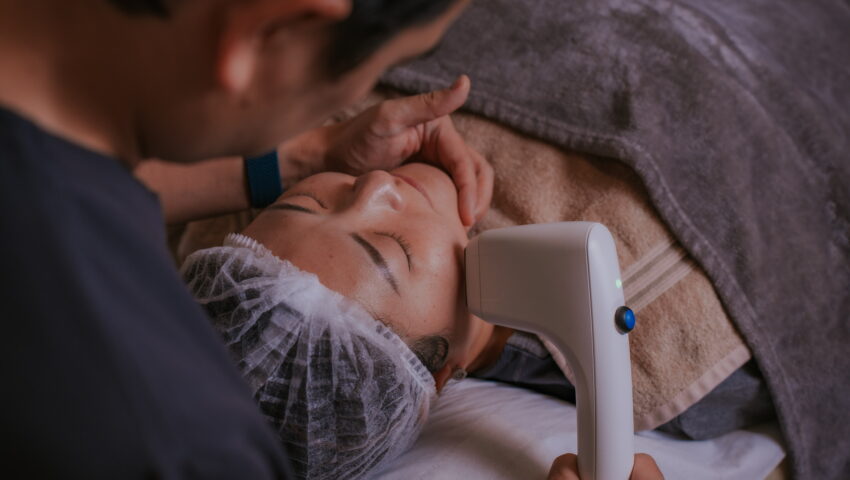
Laser procedures may improve pigmentation, texture, fine lines and skin firmness. A laser treatment for aging skin uses controlled energy to target specific skin layers. Fotona4D may also be considered for concerns involving facial texture, pigmentation and skin lifting.
Ultrasound-based skin tightening
Ultrasound treatments deliver focused energy to selected tissue layers and may support collagen production. They can be considered for mild to moderate skin laxity around areas such as the cheeks, jawline and neck.
Medical facials and skin-focused treatments
Medical facials can help with concerns such as dullness, pigmentation, congestion, enlarged pores and fine lines. Treatments may include cleansing, exfoliation, extraction, hydration and customised serum infusion, depending on individual skin needs.
How do you choose the right option?
Choosing a treatment based only on a particular wrinkle or a trending procedure can be misleading. Two people with similar-looking concerns may require different approaches because their skin quality, facial structure and medical history are not the same.
A proper assessment should consider:
The type and severity of the concern
Skin tone and condition
Facial structure and volume
Previous aesthetic treatments
Medical history and medications
Lifestyle and sun exposure
Desired level of change
Available recovery time
For example, someone mainly concerned about dynamic forehead lines may have different options from someone whose main concern is skin laxity. Likewise, pigmentation and uneven texture may require a different treatment strategy from volume loss. Dr Jon Yong Aesthetic Clinic states that its treatment recommendations take individual factors such as lifestyle, age and goals into account before a treatment plan is prescribed.
What should you expect during a consultation?
A consultation is an important part of planning non-surgical aesthetic care. It gives the doctor an opportunity to understand what you want to improve and assess whether a particular procedure is appropriate. The discussion may cover your medical history, previous treatments, skincare routine and specific concerns. The doctor can then explain suitable options, potential limitations, possible side effects and aftercare requirements.
At Dr Jon Yong Aesthetic Clinic, first-time patients undergo a consultation with the doctor before treatment is prescribed. The clinic describes this as part of its treatment process, allowing the doctor to assess the skin, body or hair concern and determine an appropriate course of care. This approach can also help prevent unnecessary treatments. Aesthetic medicine is not simply about treating every visible sign of ageing. Sometimes a simpler approach or skincare adjustment may be more appropriate.
How can you support your skin between treatments?
Professional treatments are only one part of maintaining healthy-looking skin. Daily habits remain relevant, particularly because sun exposure can contribute to premature skin ageing and pigmentation.
Useful habits include:
Apply broad-spectrum sunscreen daily.
Reapply sunscreen during prolonged outdoor exposure.
Keep the skin adequately moisturised.
Avoid smoking.
Maintain a balanced diet.
Stay physically active.
Follow a consistent skincare routine.
Avoid repeatedly using products that irritate the skin.
Sun protection is particularly relevant in Singapore because the skin is exposed to strong ultraviolet radiation throughout the year. Consistent protection can help reduce cumulative UV-related skin damage. Skincare should also be adjusted according to skin type and tolerance. More products do not necessarily mean better results, especially if several active ingredients cause irritation.
Are non-surgical treatments completely risk-free?
No cosmetic procedure is completely free from potential risks. The type of risk depends on the treatment. Injectables may cause temporary swelling, bruising, redness or tenderness, while laser treatments can cause temporary redness, sensitivity or changes in pigmentation in some individuals. More intensive procedures may involve a longer recovery period.This is why treatment should be performed by an appropriately qualified medical professional following an assessment. You should also receive clear information about preparation, expected results, possible complications and aftercare before proceeding. It is also useful to ask how long results may last. Some treatments provide temporary effects and may require maintenance, while collagen-stimulating treatments can develop gradually over time. Results vary between individuals and should not be guaranteed.
What are current trends in non-surgical skin ageing care?
A noticeable trend in aesthetic medicine is the move towards personalised treatment plans rather than using one procedure for everyone. There is also growing interest in treatments that focus on skin quality, firmness and subtle improvement rather than dramatic changes. Combining different approaches may sometimes be considered when several concerns are present, but this should be based on medical assessment rather than simply adding more procedures. Another important trend is greater attention to prevention and long-term skin health. Sun protection, appropriate skincare and healthy lifestyle habits can work alongside professional treatments. The aim should be to choose procedures that match the person’s actual concerns, rather than following a treatment simply because it is currently popular.
Conclusion
Non-surgical aesthetic care offers several ways to address visible signs of ageing without conventional surgery. Options can include injectables, laser procedures, ultrasound-based treatments and medical facials, depending on the concern being treated. The most suitable approach should be based on your skin condition, facial structure, medical history and personal goals rather than a one-size-fits-all treatment plan. Good skincare and sun protection also remain important for maintaining skin health over time. If you are considering treatment in Singapore, a consultation can help you understand your options and set realistic expectations. Contact us today to discuss your concerns with Dr Jon Yong Aesthetic Clinic and learn which approach may be appropriate for your individual needs.
Frequently asked questions
There is no single treatment that is suitable for everyone. The appropriate option depends on factors such as skin condition, facial structure, age, medical history and the specific concern being treated.
Laser treatment may be suitable for selected concerns such as pigmentation, texture, fine lines or skin laxity. The technology and treatment settings should be selected according to the individual’s skin and treatment goals.
Non-surgical procedures do not provide the same result as surgical facial lifting. They may improve selected signs of ageing, but their effects and limitations should be discussed during consultation.
The duration varies according to the procedure, treatment area and individual response. Some injectable results are temporary, while changes from collagen-stimulating procedures may develop gradually and require maintenance.
A medical consultation is the most appropriate starting point. The doctor can assess your concerns, discuss suitable options and explain expected results, risks and aftercare before you make a decision.
Meet Our Doctors

Dr Jonathan Yong
Graduated from the Royal College of Surgeons in Ireland and the National University of Ireland. He holds a Postgraduate Diploma in Practical Dermatology and a Diploma in Aesthetic Medicine, specialising in injectables, laser treatments, and energy-based aesthetic procedures.
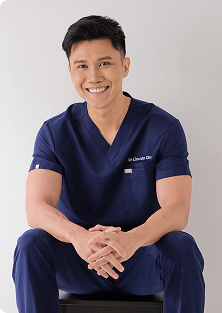
Dr Lincoln Chu
Graduated with a Bachelor of Medicine and Bachelor of Surgery (MBBS) from the National University of Singapore. He holds a Certificate in Aesthetic Medicine from the American Academy of Aesthetic Medicine and certifications in injectables, lasers, skin tightening devices, and body contouring.
