
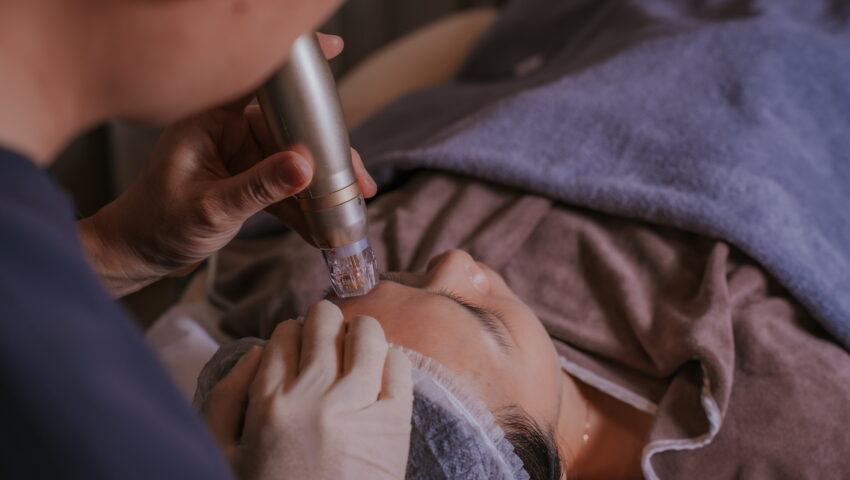
Skin concerns such as acne, pigmentation, and ageing are among the most common issues faced in Singapore due to environmental and lifestyle factors. These conditions often overlap, making it important to approach treatment with a comprehensive and medically guided strategy. With advancements in aesthetic dermatology, individuals now have access to targeted solutions that address multiple concerns effectively.
Early intervention plays a key role in maintaining skin quality, and treatments like skin tightening singapore can support both preventive and corrective care by improving skin firmness and overall texture.
Understanding Common Skin Concerns in Singapore
Singapore’s tropical climate, combined with humidity and sun exposure, creates conditions that can trigger and worsen multiple skin concerns at once. Understanding how these concerns are connected helps in choosing the right treatment approach.
Why Skin Issues Often Occur Together
Acne, pigmentation, and ageing are interconnected. Inflammation caused by acne can lead to post-inflammatory pigmentation, while prolonged skin damage accelerates ageing. Environmental stressors such as humidity increase oil production, which contributes to clogged pores and breakouts. Over time, repeated skin stress weakens the skin barrier, making it more prone to multiple concerns simultaneously.
The Role of Melanin and Skin Biology
Melanin is the pigment responsible for skin colour. When melanin production becomes uneven or excessive, pigmentation issues such as dark spots and patches develop. Sun exposure, hormonal fluctuations, and inflammation all stimulate melanin production. At the same time, the skin’s natural repair process slows down due to ageing, which makes pigmentation more persistent and difficult to treat.
Importance of Accurate Skin Diagnosis
Different skin concerns require different treatment strategies. Treating acne as pigmentation or vice versa can lead to ineffective results and prolonged skin issues. Professional skin analysis ensures that the root cause is identified correctly. Clinics such as Dr Jon Yong Aesthetic Clinic focus on personalised diagnosis to deliver targeted and safe treatments.
Acne Explained and Treatment Approaches
Acne is one of the most common skin concerns and can vary significantly in severity. Understanding its causes and treatment options is essential for long-term control.
What Causes Acne
Acne develops when excess sebum combines with dead skin cells, clogging pores. This creates an environment where bacteria thrive, leading to inflammation. Hormonal changes, stress, and diet can further trigger breakouts, making acne a recurring issue for many individuals.
Types of Acne and Their Impact
Comedonal acne includes whiteheads and blackheads, which are considered mild forms. Inflammatory acne involves papules and pustules, which are more noticeable and often painful. Cystic acne is the most severe form, occurring deep within the skin and carrying a high risk of scarring if not treated early.
Acne Treatment Options in Singapore
Treatment options include topical medications that control oil production and reduce inflammation. Oral medications may be prescribed for moderate to severe cases. Advanced treatments such as laser therapy help reduce bacteria and improve skin healing. Early treatment is crucial to prevent long-term damage and scarring.
In many cases, individuals seek acne scar removal singapore to address post-acne marks and restore smoother skin texture through targeted procedures.
Depending on the condition being treated, aesthetic procedures may include Pico Laser, Long Pulsed Laser, 4S Laser, Pico Fractat, 4D Laser, Erbium Laser, TCA Cross, and Microneedling. These treatments are not interchangeable. The appropriate option depends on factors such as whether the concern is active acne, pigmentation, acne scarring, uneven texture, or a combination of concerns.
For acne scarring, treatments such as TCA Cross may be considered for selected deeper scars, while Microneedling can be used to support skin remodelling and improve certain forms of uneven texture. Pico Fractat and fractional or resurfacing-based approaches may also be considered when texture and acne scars are the primary concerns. Laser-based options such as Pico Laser, Long Pulsed Laser, 4S Laser, 4D Laser, and Erbium Laser may be selected according to the patient’s skin condition and treatment objectives.
Treatment Downtime and Recovery
Downtime varies according to the procedure and treatment intensity. Some lighter treatments may involve minimal redness and allow patients to return to normal activities quickly, while resurfacing procedures such as Erbium Laser or other more intensive treatments may cause redness, swelling, peeling, or sensitivity for several days.
Microneedling and TCA Cross can also involve temporary redness, swelling, crusting, or sensitivity depending on the treatment depth and individual response. Patients should discuss their expected downtime before treatment, particularly if they have work, travel, or social commitments.
Skin Pigmentation Treatment Singapore Guide
Pigmentation is a major concern in Singapore due to constant sun exposure and environmental factors. Addressing pigmentation requires a combination of preventive and corrective treatments.
What Is Skin Pigmentation
Skin pigmentation refers to the colouring of the skin caused by melanin. When melanin production becomes uneven, it leads to dark spots or patches. Common triggers include sun exposure, hormonal changes, and inflammation caused by acne or skin irritation.
Common Types of Pigmentation
Melasma appears as symmetrical dark patches, often triggered by hormonal changes. Post-inflammatory hyperpigmentation occurs after skin trauma such as acne. Sun spots and freckles are caused by prolonged UV exposure and tend to become more prominent with age.
Available Pigmentation Treatments
Topical treatments such as retinoids and vitamin C help regulate melanin production and improve skin tone. Laser treatments and IPL target deeper pigmentation by breaking down melanin deposits. Chemical peels exfoliate the skin and promote cell turnover, making them effective for surface-level pigmentation.
Depending on the type and severity of pigmentation, treatment options may include Pico Laser, 4S Laser, Pico Fractat, 4D Laser, or other energy-based approaches. The treatment selected should take into account the patient’s skin type, pigmentation pattern, sensitivity, and risk of post-inflammatory hyperpigmentation.
Pigmentation Treatment Downtime
Downtime depends on the treatment selected. Some pigmentation-focused laser treatments may result in temporary redness or mild sensitivity, while more intensive procedures may require several days of recovery. Patients should receive clear aftercare instructions and understand when they can safely return to normal skincare, exercise, sun exposure, and other activities.
Skin Ageing and Anti-Ageing Solutions
Ageing is a natural process, but its effects can be managed effectively with the right treatments and skincare approach.
What Happens to Skin as It Ages
As the skin ages, collagen and elastin production decline, leading to reduced firmness and elasticity. Cell turnover slows down, causing dullness and uneven texture. The skin also loses moisture more easily, resulting in dryness and fine lines.
Signs of Ageing Skin
Early signs include fine lines and a loss of radiance. As ageing progresses, wrinkles deepen, and the skin may appear saggy. Uneven texture and pigmentation also become more noticeable over time.
Anti Ageing Treatments in Singapore
Preventive skincare focuses on maintaining hydration and protecting the skin from damage. Non-invasive treatments stimulate collagen production and improve skin texture. For more advanced concerns, procedures such as anti ageing treatment target deeper layers of the skin to restore firmness and reduce wrinkles.
Treatment selection may include options such as 4D Laser, Pico Laser, Long Pulsed Laser, Microneedling, or Erbium Laser, depending on the specific concern. Some approaches focus primarily on pigmentation and skin tone, while others are selected to improve texture, collagen stimulation, or signs of skin ageing.
Anti-Ageing Treatment Downtime
Downtime depends on the intensity and type of treatment. Some non-invasive or lighter procedures may have little downtime, while resurfacing treatments can involve redness, sensitivity, peeling, or swelling for several days. A consultation should establish the expected recovery period before treatment begins.
Why Combined Skin Treatment Is More Effective
Treating multiple skin concerns together provides better and longer-lasting results compared to addressing them individually.
Treating Root Causes Instead of Symptoms
A combined approach targets the underlying causes of skin issues rather than just the visible symptoms. This reduces the likelihood of recurrence and ensures more effective treatment outcomes.
Benefits of a Multi-Concern Approach
Addressing acne, pigmentation, and ageing together improves overall skin quality. It enhances treatment efficiency by reducing the need for separate procedures and supports long-term maintenance.
Customised Treatment Plans
Each individual’s skin is unique, which is why personalised treatment plans are essential. Regular evaluation ensures that treatments are adjusted based on progress and changing skin conditions.
A combination approach does not necessarily mean treating every concern at the same time. When active acne is present, it may need to be stabilised first before scar, pigmentation, or anti-ageing treatments are introduced.
Treatment Options That Address Multiple Skin Concerns
Modern aesthetic treatments are designed to target multiple issues simultaneously.
Medical Skincare and Active Ingredients
Ingredients such as retinoids, antioxidants, and exfoliants play a crucial role in improving skin health. They help control acne, reduce pigmentation, and slow down ageing.
Laser and Energy-Based Treatments
These treatments penetrate deeper layers of the skin to target pigmentation, reduce acne scars, and stimulate collagen production. They are effective for improving overall skin texture and tone.
Specific options may include Pico Laser, Long Pulsed Laser, 4S Laser, Pico Fractat, 4D Laser, and Erbium Laser. Each technology has different treatment characteristics, so selection should be based on the patient’s skin condition rather than choosing a procedure simply because it is a newer or more advanced technology.
TCA Cross and Microneedling
For selected acne scars and uneven skin texture, TCA Cross and Microneedling may be considered. TCA Cross is generally used for targeted treatment of certain deeper acne scars, while Microneedling works by creating controlled micro-injuries that stimulate the skin’s natural repair response.
Combination Treatments for Better Results
Combining different treatments allows for a more comprehensive approach. Layering therapies under professional guidance ensures safety and maximises results.
Treatment Downtime at a Glance
Treatment downtime can range from minimal to several days depending on the procedure, intensity, and individual skin response.
- Lower-downtime treatments: May involve temporary redness or sensitivity.
- Microneedling: Temporary redness, swelling, or sensitivity may occur.
- TCA Cross: Treated areas may experience temporary redness, crusting, or peeling.
- Laser treatments: Recovery varies depending on the laser and intensity.
- Erbium Laser and deeper resurfacing: May involve more noticeable redness, peeling, swelling, and several days of recovery.
A personalised consultation is important because downtime can vary significantly between individuals.
How to Choose the Right Skin Treatment in Singapore
Choosing the right treatment involves understanding individual skin needs and goals.
Factors That Influence Treatment Choice
Skin type, sensitivity, and severity of concerns all play a role in determining the most suitable treatment. The presence of multiple issues may require a combination approach.
Importance of Professional Consultation
Professional consultation ensures accurate diagnosis and safe treatment planning. Clinics like Dr Jon Yong Aesthetic Clinic provide customised solutions that align with specific skin concerns.
Setting Realistic Expectations
Skin improvement takes time and consistency. Gradual progress is expected, and maintenance treatments are often required to sustain results.
A 3-Step Approach: Protection, Prevention, and Treatment
A comprehensive skin strategy can be structured around three key stages:
1. Protection
Protecting the skin from UV exposure and environmental stress helps reduce the risk of pigmentation, premature ageing, and ongoing skin damage.
2. Prevention
Preventive skincare, appropriate active ingredients, regular skin assessments, and early management of acne can help prevent concerns from becoming more difficult to treat.
3. Treatment
Once the skin has been assessed, targeted treatments can address active acne, acne scars, pigmentation, ageing, or combinations of these concerns. Treatment selection should be based on the individual’s skin condition, goals, and tolerance for downtime.
Doctor Credentials and Clinic Differentiation
Choosing an aesthetic clinic should involve more than comparing treatment names. Patients should consider the doctor’s qualifications and registration, the clinic’s licensing, the experience of the practitioner with their specific skin type, the diagnostic process, treatment planning, and aftercare support.
Doctor Credentials
Dr Jon Yong Aesthetic Clinic is led by Dr Jonathan Yong, who has medical training from the Royal College of Surgeons in Ireland and the National University of Ireland, along with postgraduate qualifications in Practical Dermatology and Aesthetic Medicine.
The clinic follows a personalised 3-Step Prescription approach: Protection, Prevention, and Treatment, with treatment recommendations based on each patient’s skin concerns, needs, and goals. This approach helps create tailored treatment plans for concerns such as acne, pigmentation, acne scars, and ageing. Learn more about Dr Jon Yong
Patient Reviews
Patients have shared positive experiences with their skin treatments at Dr Jon Yong Aesthetic Clinic, including improvements in acne, pigmentation, acne scars, and overall skin texture. One patient highlighted gradual improvement in dark spots after regular facials and laser treatments, while another noted better acne control through treatment plans adjusted according to their skin condition.
Daily Skincare Routine for Healthy Skin
A consistent skincare routine is essential for maintaining results and preventing future issues.
Essential Skincare Steps
Daily cleansing removes impurities and excess oil. Hydration helps maintain the skin barrier, while sun protection prevents pigmentation and premature ageing.
Ingredients to Look For
Vitamin C brightens the skin and reduces pigmentation. Niacinamide helps control oil production and improves texture. Retinoids promote cell turnover and support collagen production.
Mistakes to Avoid
Over-exfoliation can damage the skin barrier and worsen sensitivity. Using unsuitable products may trigger breakouts or irritation. Skipping sunscreen increases the risk of pigmentation and ageing.
Preventing Skin Problems Before They Start
Preventive care plays a crucial role in maintaining long-term skin health.
Sun Protection and Environmental Care
Protecting the skin from UV rays reduces the risk of pigmentation and premature ageing. Minimising exposure to pollution also helps maintain skin integrity.
Lifestyle Factors That Affect Skin
A balanced diet, proper sleep, and stress management support the skin’s natural repair processes. Hormonal balance also plays a role in maintaining clear and healthy skin.
Regular Skin Assessments
Routine skin assessments help detect changes early and allow for timely adjustments in treatment. This ensures that the skin continues to receive effective care.
When to Seek Professional Skin Treatment
Recognising when to seek professional help is essential for preventing complications.
Signs You Need Medical Skin Treatment
Persistent acne, worsening pigmentation, and visible signs of ageing indicate the need for professional intervention. Early treatment leads to better outcomes.
Risks of Delayed Treatment
Delaying treatment can result in scarring, deeper pigmentation, and more complex skin issues. This may require more intensive procedures later.
Benefits of Early Intervention
Early intervention reduces treatment time and improves effectiveness. It also helps maintain overall skin health and prevent long-term damage.
Conclusion: A Complete Approach to Skin Treatment in Singapore
Achieving healthy skin requires a comprehensive approach that addresses multiple concerns simultaneously. Acne, pigmentation, and ageing are interconnected, and treating them together leads to better and more sustainable results.
Combining Acne, Pigmentation, and Ageing Care
A holistic strategy that includes medical treatments, proper skincare, and preventive measures ensures balanced and effective results. Personalised care remains essential for addressing individual skin needs.
Long-Term Skin Health Strategy
Maintaining skin health involves consistent care, regular assessments, and professional guidance. To explore suitable treatment options tailored to your needs, you can Contact Us for expert advice and personalised solutions.
FAQs
Yes, a combined treatment approach is often more effective as it targets multiple concerns and improves overall skin health.
Results vary depending on the treatment type, but most procedures show gradual improvement over several weeks.
Modern laser treatments are generally safe when performed by qualified professionals, but suitability depends on individual skin condition.
Consistent sun protection, proper skincare, and early treatment of skin issues help prevent pigmentation.
Mild concerns can sometimes be managed with skincare, but professional consultation ensures accurate diagnosis and effective treatment.
Often overlapping concerns can be addressed within a single combination plan, such as a laser or energy-based treatment paired with topical actives, since many procedures work on multiple layers of skin at once. That said, the right combination depends on which concern is most active or severe. Your doctor will usually prioritise one issue first, often active acne if present, before layering in pigmentation or anti-ageing procedures.
This is a valid concern. Fitzpatrick skin types III–V, which are common in Singapore, can carry a higher risk of post-inflammatory hyperpigmentation from aggressive laser settings. Not all lasers are equally suited to every skin type, and settings and wavelength selection matter more than the brand name of the device. Ask your practitioner directly what safeguards they use for darker skin tones and whether they have treated your skin type before.
Costs vary widely by treatment type, severity, and number of sessions. Most laser or energy-based treatments require multiple sessions spaced weeks apart rather than a single visit. Ask your clinic for a written treatment plan with the per-session cost and total expected sessions upfront, so you can budget realistically rather than being quoted session-by-session.
Pain and downtime depend heavily on treatment intensity. Topical and lighter treatments often involve minimal discomfort and little to no downtime, while deeper laser resurfacing or more aggressive procedures can cause redness, swelling, or peeling lasting several days. If you cannot take time off work, tell your practitioner upfront. There may be lower-downtime alternatives, although they may require more sessions to achieve similar results.
Most visible improvement builds gradually over weeks to months, not overnight. This is especially true for collagen-stimulating or pigmentation treatments, where results can build with each session. Maintenance sessions may be needed periodically to sustain results, particularly for ageing-related concerns.
