
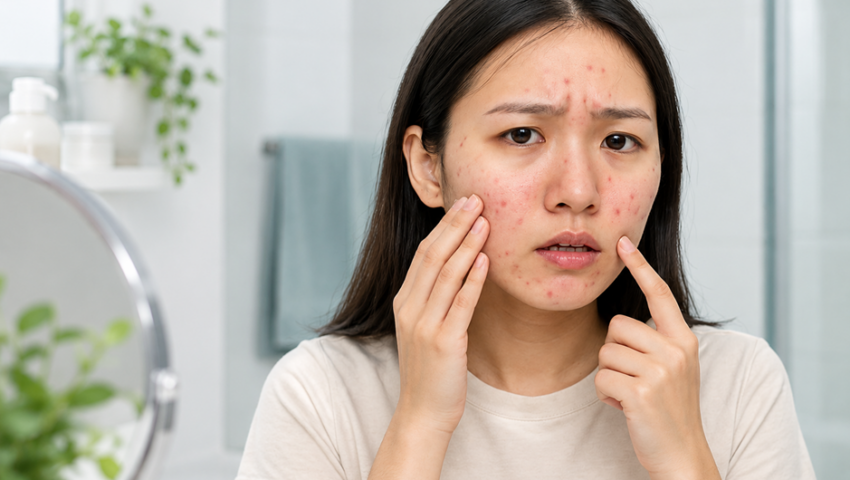
Acne is one of the most common skin concerns, but its causes are not always as simple as oily skin or poor skincare. Hormonal changes, blocked pores, excess sebum, bacteria, inflammation and lifestyle factors can all contribute to breakouts. Singapore’s warm and humid climate may also make some people more aware of oiliness, sweat and clogged pores. Understanding why acne develops can help with better skin management. At Dr Jon Yong Aesthetic Clinic, skin concerns are assessed based on the type of acne, marks and scarring. Where needed, acne scar treatment may be considered for changes in skin texture. Persistent or inflamed acne may benefit from professional assessment, particularly when breakouts continue or leave lasting marks.
What Causes Acne?
Acne develops when hair follicles become blocked by a combination of sebum, dead skin cells and other substances. Inflammation can then develop within the follicle, resulting in different types of spots. Several factors can contribute to this process.
Excess Sebum Production
Sebum helps protect the skin, but too much oil can contribute to clogged pores and breakouts, particularly in people with oily skin.
Hormonal Changes
Hormonal fluctuations can increase oil production and trigger acne. Breakouts may commonly appear around the chin, jawline and lower face.
Dead Skin Cells and Blocked Pores
Dead skin cells can mix with excess oil and block hair follicles. This may result in whiteheads, blackheads and other types of acne.
Bacteria and Inflammation
When blocked pores become inflamed, they can develop into red, swollen or painful spots. Skin bacteria can also contribute to this inflammatory process.
Climate and Daily Habits
Singapore’s humid climate can make sweat and oil more noticeable. Heavy products, unsuitable cosmetics and frequently touching the face may also contribute to congestion.
What Are the Different Types of Acne?
Identifying the type of acne is useful because different forms may require different approaches.
Comedonal Acne: Comedonal acne occurs when pores become blocked by excess oil and dead skin cells. Open comedones are blackheads, while closed comedones appear as small white or skin-coloured bumps.
Inflammatory Acne: This type causes red, swollen or tender spots, including papules and pustules. Avoid squeezing these breakouts, as it can increase irritation and the risk of marks or scarring.
Nodular or Cystic Acne: Deeper acne can feel firm, painful or tender beneath the skin. More severe breakouts may have a higher risk of causing lasting skin changes and may benefit from professional assessment.
Why Does Acne Sometimes Leave Scars?
Acne can affect the skin beyond the active breakout itself. When inflammation damages structures within the skin, the healing process may result in changes to texture. Acne scars are different from temporary post-acne marks. Red or brown marks may gradually become less noticeable, while true scars involve a change in the skin’s structure.
Common acne scar types include:
Ice pick scars: Narrow, deeper depressions that extend into the skin.
Boxcar scars: More defined depressions with relatively sharp edges.
Rolling scars: Wider depressions that create an uneven or wavy skin surface.
Raised scars: Areas where excess scar tissue creates a raised appearance.
The type, depth and distribution of scarring are important considerations when planning treatment.
How Is Acne Treated Effectively?
There is no single approach that works for every type of acne. Treatment usually depends on factors such as the severity of breakouts, skin type, previous treatments and whether scarring or pigmentation is also present.
Start With a Skin Assessment
A professional assessment can identify whether you have active acne, pigmentation, redness or scarring. This helps determine an approach suited to your specific skin concerns.
Manage Active Breakouts
Treatment may include suitable skincare, prescribed products or in-clinic procedures. The focus is usually on managing blocked pores, inflammation and recurring breakouts.
Avoid Picking or Squeezing Spots
Picking acne can increase irritation and may leave dark marks or scars. Allowing spots to heal without unnecessary pressure can help protect the surrounding skin.
Seek Professional Advice for Persistent Acne
If acne continues despite a consistent skincare routine, an acne treatment clinic in Singapore can assess the condition and discuss suitable options. Treatment should consider both current breakouts and any signs of scarring.
What Is Acne Scar Treatment?
Once active acne is under better control, attention may turn towards changes in skin texture caused by previous breakouts. Acne scar treatment refers to approaches designed to improve the appearance of established acne scars and uneven skin texture. The appropriate option depends heavily on the scar type.
Microneedling
Microneedling uses controlled micro-injuries to stimulate the skin’s natural repair processes. It may be considered for certain types of depressed acne scars and uneven texture. The suitability of the procedure depends on the individual’s skin and the characteristics of the scars.
Laser-Based Treatments
Certain laser treatments can target specific aspects of acne scarring and skin texture. Different laser technologies work in different ways, so treatment selection should be based on the condition being addressed. A professional assessment is important because not every laser approach is suitable for every skin type or scar pattern.
Other Procedural Options
Depending on the scar characteristics, clinicians may consider other procedures or combinations of treatments. The goal is to select an approach that addresses the structure and appearance of the scars rather than treating every scar in exactly the same way.
At Dr Jon Yong Aesthetic Clinic, treatment decisions can be guided by an assessment of the individual’s skin concerns and the type of acne-related changes present.
How Can You Reduce the Risk of Acne Scarring?
Preventing or reducing acne scarring starts with managing active acne appropriately.
A few practical habits can support healthier skin:
Do not pick spots: Avoiding unnecessary trauma can reduce irritation and the risk of lasting marks.
Use suitable skincare: Choose products that are appropriate for acne-prone skin rather than repeatedly changing products.
Protect the skin from the sun: Daily sunscreen can help reduce the contrast caused by post-acne pigmentation.
Treat recurring acne early: Persistent inflammation may increase the likelihood of lasting skin changes.
Follow professional advice: A personalised approach is often more useful than trying multiple treatments at once.
These steps do not guarantee that scarring will never occur, but they can support better overall acne management.
When Should You See an Acne Specialist?
Professional advice may be useful when acne is persistent, painful, widespread or leaving noticeable marks. It can also help when over-the-counter skincare is not providing adequate improvement. People with recurring acne should consider the bigger picture rather than treating individual spots whenever they appear. Identifying the underlying pattern can help create a more consistent approach to managing the skin. If acne has already resulted in uneven texture, an assessment can also determine whether acne scar treatment may be suitable and which type of approach best matches the individual’s skin.
Conclusion
Acne can develop for different reasons, including excess sebum, blocked pores, hormonal changes and inflammation. Understanding these factors can help you make better skincare choices and avoid habits that may increase the risk of scarring. When acne has already affected skin texture, a professional assessment can help identify the nature of the scars and the approaches that may be suitable. Dr Jon Yong Aesthetic Clinic provides assessment and treatment options based on individual skin needs. Managing acne is not only about treating visible breakouts. Contact us today to learn more about suitable acne care options and find an approach that supports clearer, healthier-looking skin.
Frequently Asked Questions
Acne can develop through a combination of excess sebum, blocked hair follicles, dead skin cells, inflammation and hormonal influences. The exact combination varies from person to person.
Humidity does not directly cause acne, but Singapore’s warm and humid climate may make sweat and oil more noticeable. Certain skincare or cosmetic products may also feel heavier and contribute to congestion in some people.
Acne scars involve structural changes in the skin, so complete removal cannot always be expected. However, appropriate treatment may help improve the appearance of scars and create a smoother-looking skin texture.
There is no single best treatment for every acne scar. Options may include procedures such as microneedling or laser-based treatments, depending on the type, depth and location of the scars and the individual’s skin characteristics.
Consider professional assessment if acne is persistent, painful, recurring frequently or leaving marks and changes in skin texture. Early evaluation can help identify suitable management options.
Meet Our Doctors

Dr Jonathan Yong
Graduated from the Royal College of Surgeons in Ireland and the National University of Ireland. He holds a Postgraduate Diploma in Practical Dermatology and a Diploma in Aesthetic Medicine, specialising in injectables, laser treatments, and energy-based aesthetic procedures.
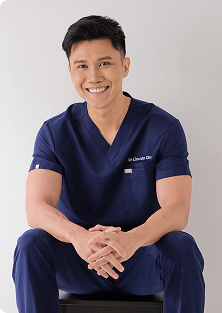
Dr Lincoln Chu
Graduated with a Bachelor of Medicine and Bachelor of Surgery (MBBS) from the National University of Singapore. He holds a Certificate in Aesthetic Medicine from the American Academy of Aesthetic Medicine and certifications in injectables, lasers, skin tightening devices, and body contouring.
