
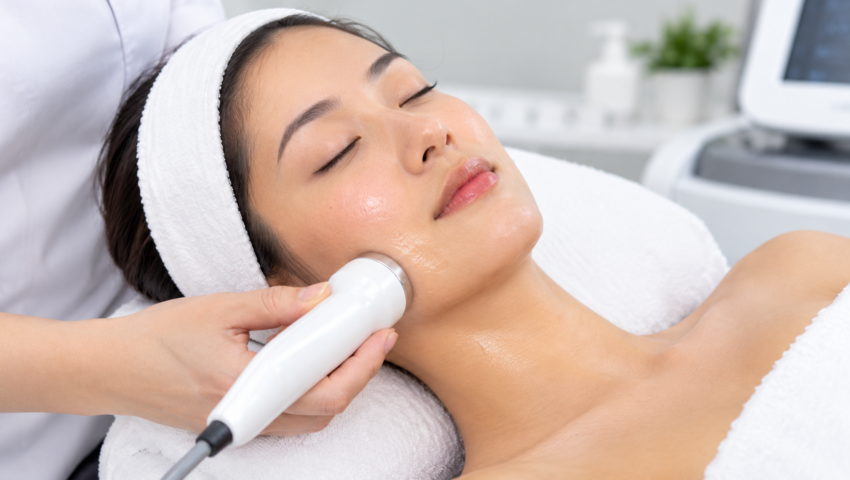
Skin can gradually lose firmness as collagen production changes with age. Sun exposure, genetics, weight changes and the natural ageing process can also affect elasticity, leading to fine lines, skin laxity and changes in facial contours. A skin tightening treatment may help improve the appearance of loose or less firm skin by using technologies designed to stimulate collagen production. Understanding how these treatments work can help you make a more informed decision.
At Dr Jon Yong Aesthetic Clinic, skin tightening approaches include ultrasound and radiofrequency-based technologies designed to work at specific depths within the skin. The clinic offers HIFU, Sofwave and Sylfirm X as part of its brightening and tightening solutions. But how does a skin tightening treatment actually work? What kind of results can you expect, and what are the possible side effects? Understanding the technology and treatment process can help you make a more informed decision.
What Is Skin Tightening Treatment?
Skin tightening treatment refers to non-surgical procedures designed to improve the appearance of loose, lax or less firm skin. Instead of surgically removing excess skin, these treatments use controlled forms of energy to stimulate activity within targeted skin layers. Depending on the technology used, the energy may come from ultrasound or radiofrequency. The treatment aims to create a controlled response within the skin that encourages collagen production and remodelling.
Collagen is an important structural protein that contributes to skin firmness and elasticity. As collagen production naturally declines with age, the skin may gradually become thinner, less resilient and more prone to fine lines or sagging. Non-invasive tightening treatments are generally designed to work without surgical incisions. However, the depth, energy delivery and treatment mechanism vary between technologies.
How Does Skin Tightening Work?
The basic principle is controlled energy delivery to specific layers of tissue. The energy creates a targeted thermal or micro-injury response, depending on the technology, which can stimulate the skin’s natural repair processes.
HIFU and Ultrasound Energy
HIFU, or High-Intensity Focused Ultrasound, delivers focused energy to selected tissue depths. At Dr Jon Yong Aesthetic Clinic, HIFU is used for concerns such as loose skin, sagging, fine lines and skin folds. The controlled energy can stimulate collagen production and the skin’s natural repair response.
Sofwave Ultrasound
Sofwave uses synchronous ultrasound technology to target the mid-dermal layer. Its controlled heating encourages collagen formation while an integrated cooling system helps protect the skin’s surface. It may help improve fine lines and skin laxity around areas such as the brow, neck and submental region.
Radiofrequency Microneedling
Radiofrequency microneedling combines fine needles with RF energy. Sylfirm X delivers RF energy at controlled depths, creating a targeted response that can support collagen production and skin regeneration. It may also be considered for concerns such as enlarged pores, uneven skin tone, acne scarring and pigmentation.
What Are the Benefits?
The potential benefits depend on the technology used, the condition of your skin and the area being treated. A consultation is therefore important before choosing a specific procedure.
Common aims of non-surgical tightening include:
Improved firmness: Treatment may support collagen production and improve the appearance of less firm skin.
Reduced appearance of fine lines: Certain ultrasound and RF technologies may soften the visible appearance of fine lines.
Improved skin texture: Some technologies can affect both collagen structure and surface texture.
Subtle lifting: Targeted treatment may improve the appearance of mild laxity around areas such as the jawline, brow or neck.
Non-surgical approach: Ultrasound-based options do not require surgical incisions.
Treatment versatility: Some technologies can address multiple concerns, including pigmentation, redness, acne scarring and enlarged pores.
The clinic’s HIFU, Sofwave and Sylfirm X technologies have different treatment mechanisms, so they should not be considered interchangeable.
What Results Can You Expect?
Results from a skin tightening treatment depend on factors such as age, skin condition, degree of laxity, treatment area and the technology selected. Some people may notice an initial difference in how the skin looks or feels, while collagen-related changes develop more gradually. Since collagen remodelling is a biological process, results are not necessarily immediate.
It is also important to have realistic expectations. Non-surgical treatments are generally intended to improve the appearance of skin laxity rather than remove large amounts of excess skin. The final outcome can also differ between individuals. A suitable treatment for mild laxity may not provide the same type of change for significant skin sagging. A medical assessment can help determine whether a non-invasive approach is appropriate.
What Should You Consider Before Treatment?
A proper assessment should come before choosing an energy-based procedure. Your doctor can consider your skin quality, degree of laxity, treatment history and the areas you want to address.
You may also want to ask:
1. What type of energy does the treatment use?
2. Which layer of the skin is being targeted?
3. What concern is the treatment intended to address?
4. What side effects should I expect?
5. Is the treatment suitable for my skin type and condition?
6. Are there other options that may be more appropriate?
At Dr Jon Yong Aesthetic Clinic, the available tightening technologies include HIFU, Sofwave and Sylfirm X, each with different mechanisms and applications. The clinic also describes a less-is-more treatment philosophy, with treatment selected according to the concern being addressed.
Skin Tightening Treatment vs Surgical Procedures
Non-surgical tightening and surgery are not equivalent treatments. Energy-based procedures are generally intended to stimulate collagen and improve the appearance of mild to moderate laxity. Surgical procedures can physically remove excess skin and reposition underlying tissues, making them more appropriate for certain cases of significant skin laxity. The right option depends on the amount of loose skin, your expectations, overall health and the area being treated. For someone considering laser skin tightening treatment in Singapore, ultrasound or radiofrequency treatment, a medical consultation can help clarify which approach matches the actual concern rather than relying on a treatment name alone.
How to Choose a Suitable Treatment
There is no single tightening technology that is suitable for everyone. The best choice depends on what you want to improve and how your skin responds to treatment.
Consider the following:
Identify the main concern
Is the issue mild sagging, fine lines, reduced elasticity, uneven texture or several concerns at once? Clearly identifying the main concern helps narrow down the available options.
Understand the technology
Ask how the device works, which layer it targets and why it has been recommended. This can help you understand what the procedure is designed to achieve.
Discuss potential risks
Ask about expected reactions, possible complications and any factors that could affect your suitability.
Keep expectations realistic
Non-invasive tightening can improve the appearance of skin laxity, but it does not replicate the results of surgery. Understanding this difference can help you assess potential outcomes more realistically.
Conclusion
Skin tightening is not a single treatment with one mechanism or result. Ultrasound technologies such as HIFU and Sofwave use focused energy at specific depths, while RF microneedling combines controlled micro-injury with radiofrequency energy. Each approach has different applications, benefits and potential side effects.
If you are considering skin tightening treatment, a consultation can help determine whether an energy-based procedure is appropriate for your skin concerns. At Dr Jon Yong Aesthetic Clinic, treatment options can be assessed according to your skin condition, treatment goals and the area being addressed. Contact us today to discuss your concerns and learn more about suitable treatment options.
Frequently Asked Questions
It uses controlled energy, such as ultrasound or radiofrequency, to target selected skin layers. This can stimulate the body’s natural repair response and support collagen production.
Comfort levels vary depending on the technology, treatment area and individual sensitivity. Some procedures may cause warmth, tingling or temporary discomfort. Your doctor can explain what to expect before treatment.
Results vary between individuals and depend on factors such as skin condition, ageing and the treatment used. Collagen remodelling also occurs gradually, so outcomes should be assessed based on the specific procedure rather than a fixed timeframe.
Temporary redness, swelling, warmth, tenderness or sensitivity may occur. RF microneedling can also cause temporary redness or minor bruising. Less common risks can include burns or pigmentation changes.
No. Suitability depends on your skin type, concerns, medical history and the technology being considered. A consultation is recommended to determine whether an ultrasound or radiofrequency approach is appropriate for your needs.
