
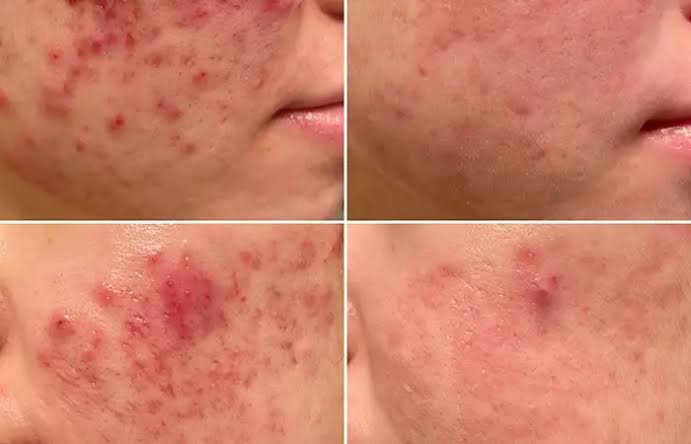
Acne can affect more than the appearance of the skin while breakouts are active. Once inflammation has settled, some people may notice persistent changes in skin colour, texture or contour. Understanding these changes is an important first step when exploring acne scar treatment Singapore options. Not every mark left behind by acne is a true scar. Redness and pigmentation can occur after inflammation without causing structural changes to the skin. Acne scars, however, can involve changes to collagen and underlying tissue, resulting in visible depressions or uneven texture.
The type and depth of a scar can influence which treatments may be appropriate. Options can include laser resurfacing, chemical peels, subcision and dermal fillers, but no single procedure is suitable for every person or every scar. For anyone considering acne scar removal Singapore, professional assessment can help identify the type of scarring present and determine which treatment approaches may be worth considering.
What Are Acne Scars?
Acne scars are structural changes that remain after an acne lesion has healed. Significant inflammation can interfere with the skin’s normal healing process and affect collagen production or the tissue beneath the surface. Depending on how the skin heals, scars can appear as depressions, uneven areas or changes in texture. Some may be relatively shallow, while others can extend deeper into the skin.
Correctly identifying the scar structure is important because treatments that work on surface texture may not address deeper or tethered scars in the same way.
Acne Marks vs Acne Scars
Acne marks and acne scars are often confused because both can remain after breakouts disappear. However, they represent different concerns. Post-inflammatory redness and pigmentation primarily affect skin colour. These marks may become less noticeable as the skin naturally recovers and with appropriate skincare.
Structural acne scars involve a change in the skin itself. Depressed scars can create visible indentations that do not simply disappear when the original acne has cleared. This distinction matters when considering treatment. A procedure designed to improve pigmentation may not produce the same effect on a structural depression.
Why Do Some Acne Lesions Leave Scars?
Inflammation is one of the factors involved in acne scarring. When inflammation is significant, the normal production and organisation of collagen during healing can be disrupted. The way an acne lesion is handled can also matter. Picking or squeezing can increase irritation and inflammation, potentially contributing to tissue damage.
Not everyone who experiences acne develops permanent scars. However, persistent or highly inflamed acne can increase the importance of early and appropriate management.
Why Early Acne Management Matters
Managing active acne is an important part of reducing the likelihood of developing additional scars. Continuing inflammation can create new lesions and further affect the skin. Avoiding unnecessary squeezing and picking is also advisable. Physical manipulation can damage the surrounding tissue and prolong inflammation.
When someone has both active acne and established scarring, a treatment plan may need to address both concerns. Controlling ongoing breakouts can help create a more stable foundation for future scar-focused treatment.
What Are the Main Types of Acne Scars?
Depressed or atrophic acne scars are commonly divided into three main categories: boxcar scars, ice-pick scars and rolling scars. These categories describe differences in shape, width, depth and the way the scar interacts with surrounding tissue. Some individuals may have only one type, while others have a mixture.
Understanding these differences helps explain why treatment should be selected according to the individual rather than based on a single popular procedure.
Boxcar Scars
Boxcar scars are generally broader depressions with relatively defined edges. They can vary from shallow to deeper indentations. Their size, depth and location can affect how noticeable they are and which treatment options may be considered.
A professional assessment can help determine whether the primary concern is surface texture, loss of volume or another structural characteristic.
Ice Pick Scars
Ice-pick scars are narrow depressions that extend relatively deeply into the skin. Their small surface opening can make them appear particularly defined. Because they can extend deeper than superficial textural irregularities, they may require more targeted treatment.
Certain chemical techniques, including appropriately selected TCA-based approaches, may be considered for suitable scars. However, the concentration and application method need to be carefully assessed.
Rolling Scars
Rolling scars are typically wider and create a wave-like or undulating appearance across the skin. In some cases, fibrous bands beneath the surface can pull the skin downward. This tethering can contribute to the characteristic rolling appearance.
Subcision may be considered in selected cases because it is designed to release fibrous connections beneath depressed scars. Whether it is suitable depends on the individual’s scar structure.
Mixed Acne Scarring
Not every person has only one type of acne scar. It is possible to have boxcar, ice-pick and rolling scars across different areas of the face. Mixed scarring can require a combination of treatment approaches because each structural concern may respond differently.
This is one reason why a detailed assessment is generally more useful than choosing a procedure based only on photographs or general descriptions online.
How Are Acne Scars Assessed?
A proper assessment looks beyond the presence of visible scars. The practitioner needs to consider the scar’s structure, depth and relationship with the surrounding skin. Skin condition and treatment goals are also relevant. A suitable plan should account for both the physical characteristics of the scars and the individual’s expectations.
Scar Type and Depth
Identifying whether a scar is boxcar, ice-pick or rolling can help guide treatment decisions. Depth is equally important. A shallow depression may require a different approach from a deep or tethered scar. The location and concentration of scars can also affect how treatment is planned.
Skin Texture and Overall Condition
The skin surrounding the scars should be assessed as well. Active acne, pigmentation, redness, sensitivity and overall skin quality can influence treatment suitability. For this reason, treatment should not focus on scars in isolation. The broader condition of the skin can affect both the choice of procedure and the timing of treatment.
Individual Treatment Goals
Patients can have different priorities. Some may want to improve uneven texture, while others may be more concerned about particular deep scars or the overall appearance of their skin. Before proceeding, it is useful to discuss what improvement is realistically possible, how many treatments may potentially be required and what aftercare could involve. For more information about the clinic’s approach and philosophy, learn more about the clinic before deciding which treatment pathway may be appropriate.
What Treatments May Be Used for Acne Scars?
Several professional treatment categories can be considered for acne scarring. The appropriate option depends on the characteristics of the scars and the condition of the skin.
Laser Skin Resurfacing
Laser skin resurfacing uses controlled energy to create changes within the skin and encourage collagen remodelling. Depending on the technology and treatment settings, resurfacing may help improve uneven texture and reduce the visual prominence of selected acne scars.
Different laser technologies have different mechanisms and treatment considerations. Skin type, scar depth and treatment objectives should therefore be evaluated before selecting a laser procedure.
Chemical Peels
Chemical peels use specific chemical formulations to exfoliate layers of the skin and encourage renewal. Selected peels may be considered for certain acne-related concerns. TCA-based techniques can also be used in carefully selected cases, particularly for some narrow depressed scars.
The strength and formulation of a peel should be appropriate for the patient’s skin and the specific concern being treated. Stronger treatment is not automatically better treatment.
Subcision
Subcision focuses on fibrous bands beneath selected depressed scars. A fine instrument can be used to release tethering beneath the scar, allowing the depressed area to become less constrained by the underlying fibrous tissue. This approach can be considered particularly where tethering contributes to rolling or depressed scars. Professional assessment is needed to determine whether the scar structure makes subcision appropriate.
Dermal Fillers
Dermal fillers can be used in selected cases to add volume beneath depressed scars. By supporting an indentation from underneath, fillers may help create a smoother-looking surface. However, not every scar is suitable for this approach.
The location, depth and shape of the scar, together with the patient’s skin characteristics and treatment objectives, all need to be considered.
Combination Approaches
Because acne scarring can involve several structural problems, combining treatments may sometimes be appropriate. One treatment may address tethering, while another may focus on surface texture or volume. The purpose of a combination plan should be to address specific concerns identified during assessment rather than simply using multiple procedures.
If you are exploring acne scar treatment, discussing the different approaches with a qualified practitioner can help you understand which options may be relevant to your particular scars.
Which Acne Scar Treatment Is Suitable for You?
Choosing a treatment should begin with the scar rather than the procedure.
Consider the Scar Type
Boxcar, ice-pick and rolling scars have different structures. A treatment that may be useful for one type may not be the most appropriate choice for another. Mixed scarring may also require different strategies for different areas.
Consider Scar Depth
Depth can influence how a scar responds to treatment. Deeper scars may require more targeted intervention than superficial texture concerns. An assessment can help determine whether the treatment should focus primarily on the surface, underlying tissue, volume or a combination of factors.
Consider Your Skin Condition
Active acne, pigmentation, redness and sensitivity can all influence treatment planning. It may be appropriate to manage active acne or stabilise the skin before proceeding with certain scar-focused procedures.
Set Realistic Expectations
Acne scar treatment is generally about reducing the visibility of scars and improving the overall appearance of the skin rather than guaranteeing complete removal. Results can vary according to scar type, depth, skin characteristics and treatment response. Before undergoing treatment, patients should understand the expected benefits, limitations, possible downtime and aftercare requirements.
How Can You Prevent Further Acne Scarring?
Professional scar treatment addresses existing concerns, but preventing additional scarring should also remain part of long-term skin management.
Treat Active Acne
Managing active acne can reduce ongoing inflammation and help minimise the development of new lesions. A suitable acne management plan should be based on the severity and characteristics of the individual’s condition.
Avoid Picking or Squeezing
Picking or squeezing acne can increase inflammation and cause unnecessary trauma to the skin. Allowing lesions to heal without excessive manipulation can help reduce avoidable irritation.
Protect Skin From UV Exposure
Sun exposure can make some post-acne pigmentation more noticeable and can affect the overall appearance of the skin. Using appropriate sun protection is therefore an important part of maintaining skin health and supporting a consistent skincare routine.
Follow a Suitable Skincare Routine
A simple, consistent skincare routine can support the overall condition of acne-prone skin. Cleansing, moisturising and sun protection can form the foundation of everyday care. Products should be selected according to individual skin needs, especially where sensitivity or active acne is present.
Conclusion
Acne scars can differ considerably in their shape, depth and underlying structure. Boxcar, ice-pick and rolling scars each have distinct characteristics, while mixed scarring can involve several types at once. Understanding the type of scar is therefore an important part of choosing an appropriate treatment strategy. Laser resurfacing, chemical peels, subcision and dermal fillers may all have a role in selected cases, but no procedure should be considered universally suitable.
Professional assessment allows the skin’s overall condition, scar structure and individual treatment goals to be considered together. It can also help establish realistic expectations about scar reduction rather than promising complete removal. If you are considering professional treatment, focus on an individualised approach rather than selecting a procedure simply because it is popular. Understanding the potential benefits, limitations, aftercare and suitability of each option can help you make a more informed decision. To discuss your skin concerns and available treatment options, you can contact the clinic for professional guidance. Dr Jon Yong provides a consultation-led approach to skin concerns, with treatment recommendations based on individual needs and clinical assessment.
Frequently Asked Questions
The main types of depressed acne scars are boxcar, ice-pick and rolling scars. A person can also have a combination of these types.
Boxcar scars are broader depressions with relatively defined edges, while ice-pick scars are narrow and generally deeper. Their structural differences can influence which treatments may be considered.
There is no universal treatment that guarantees complete removal of acne scars. Professional treatment generally focuses on reducing their appearance and improving skin texture.
There is no single treatment that is best for every deep acne scar. Depending on the structure, options may include targeted chemical techniques, subcision, laser resurfacing or dermal fillers. Professional assessment is important before selecting a procedure.
No. Laser resurfacing may be appropriate for selected acne scars and texture concerns, but suitability depends on factors including scar type, depth, skin condition and treatment goals.
