
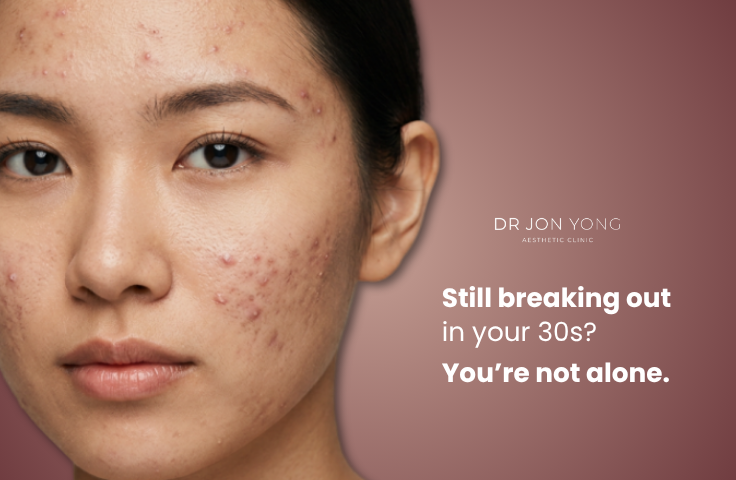
Acne is a complex skin condition that affects individuals across different age groups and skin types. While it may begin as a mild concern, untreated acne can progress into more severe forms, leading to inflammation, discomfort, and long-term skin damage. In Singapore’s humid and high-temperature environment, acne tends to persist due to increased oil production and environmental exposure.
For individuals already dealing with acne marks and uneven texture, professional solutions like acne scar removal singapore can help restore smoother and clearer skin when combined with active acne treatment.
Understanding Acne and Why It Happens
Acne develops when hair follicles become clogged with oil, dead skin cells, and bacteria. This process triggers inflammation, leading to visible breakouts that vary in severity. Understanding how acne forms is essential for choosing the right treatment approach.
What Is Acne and How Does It Form
Acne begins with the overproduction of sebum, an oily substance that helps protect the skin. When excess oil mixes with dead skin cells, it can block pores and create an environment where bacteria thrive. This leads to inflammation and the formation of lesions.
Mild acne typically includes blackheads and whiteheads, while more severe forms involve inflamed lesions such as nodules and cysts. The level of inflammation often determines the intensity of treatment required.
Common Causes of Acne
Several factors contribute to acne development. Hormonal fluctuations play a significant role by increasing oil production, especially during puberty or periods of hormonal imbalance. Genetics also influence how the skin responds to these changes.
External factors such as diet, stress, and environmental exposure can worsen acne. In Singapore, humidity can increase oil production, making the skin more prone to clogged pores and breakouts.
Types of Acne Explained
Acne presents in different forms, each requiring a specific treatment approach. Whiteheads and blackheads are non-inflammatory and occur when pores are clogged. Papules and pustules are inflamed lesions that appear red and swollen. Nodules and cystic acne are more severe, forming deeper within the skin and often leading to scarring if not treated early.
Types of Acne Commonly Treated in Singapore
Different acne types are influenced by lifestyle, environment, and hormonal factors. Identifying the type of acne is crucial for effective treatment.
Hormonal Acne
Hormonal acne typically appears around the jawline and chin. It is often linked to fluctuations in hormone levels that stimulate excess oil production. This type of acne tends to recur and may require targeted treatments to manage effectively.
Cystic Acne
Cystic acne is one of the most severe forms. It involves deep, painful lesions that develop beneath the skin’s surface. Due to its intensity, cystic acne carries a high risk of scarring and requires early medical intervention.
Adult-Onset Acne
Adult-onset acne differs from teenage acne in both cause and persistence. It is often triggered by stress, environmental exposure, and hormonal changes. This type of acne may be more resistant to standard treatments and often requires a customised approach.
Why Professional Acne Treatment Is Important
While many products claim to treat acne, not all approaches address the root cause. Professional treatment ensures a targeted and effective solution.
Limitations of Over-the-Counter Products
Over-the-counter products often provide temporary relief by targeting surface-level symptoms. They may not penetrate deeply enough to address underlying causes such as hormonal imbalance or bacterial growth. Incorrect use can also lead to irritation and worsen the condition.
Benefits of Doctor-Led Acne Treatment
Doctor-led treatments focus on diagnosing the specific cause of acne and creating a personalised plan. This approach ensures that treatment is both safe and effective. It also allows for adjustments based on how the skin responds over time.
Preventing Acne Scars and Long-Term Damage
Untreated acne can lead to permanent scarring and pigmentation. Early intervention reduces inflammation and prevents long-term damage. For those already experiencing scarring, solutions like acne scar treatment singapore can help improve skin texture and tone as part of a comprehensive plan.
Acne Treatment Options Available in Singapore
A wide range of treatments are available, each designed to target specific aspects of acne. Combining methods often produces the best results.
Medical Skincare and Topical Treatments
Topical treatments include prescription creams that regulate oil production and reduce inflammation. Active ingredients work to unclog pores and prevent new breakouts. Consistent use is essential for visible improvement.
Oral Medications for Moderate to Severe Acne
For more severe cases, oral medications may be prescribed. These treatments work internally to reduce bacteria and control hormonal activity. They are typically recommended when topical treatments alone are insufficient.
Laser and Energy-Based Acne Treatments
Laser treatments target acne-causing bacteria and reduce inflammation. They also stimulate skin healing and improve overall texture. These treatments are effective for persistent acne that does not respond to conventional methods.
Chemical Peels and Extraction Procedures
Chemical peels exfoliate the skin, removing dead cells and unclogging pores. Extraction procedures help clear blocked pores in a controlled manner. These methods enhance the effectiveness of other treatments and improve skin clarity.
Choosing the Right Acne Treatment for Your Skin
Selecting the appropriate treatment requires careful evaluation of multiple factors.
Factors That Influence Treatment Choice
Skin type, severity of acne, and the presence of scarring all influence treatment decisions. Understanding these factors ensures that the chosen approach addresses both immediate concerns and long-term goals.
Combining Treatments for Better Results
A combination of treatments often delivers the most effective outcome. For example, topical treatments may be used alongside laser procedures to target acne at different levels. This approach enhances results and reduces the likelihood of recurrence.
Personalised Treatment Plans in Aesthetic Clinics
Personalised plans are essential for achieving consistent improvement. Regular assessments allow treatments to be adjusted based on progress, ensuring optimal results over time.
What to Expect During Acne Treatment
Understanding the treatment process helps set realistic expectations and encourages consistency.
Initial Consultation and Skin Analysis
The process begins with a detailed consultation to assess skin condition and identify underlying causes. This step is crucial for developing an effective treatment plan.
Treatment Duration and Progress Timeline
Acne treatment is a gradual process. While some improvements may be visible early, achieving clear skin requires consistent effort over time. Multiple sessions may be needed depending on the severity.
Managing Side Effects and Skin Adjustment
Some treatments may cause temporary redness or irritation as the skin adjusts. Proper aftercare helps minimise these effects and supports recovery.
Preventing Acne Recurrence
Long-term management is key to maintaining clear skin. Preventive strategies reduce the risk of future breakouts.
Daily Skincare Routine for Acne-Prone Skin
A consistent routine that includes gentle cleansing, hydration, and sun protection helps maintain skin balance. Using non-comedogenic products prevents clogged pores.
Lifestyle and Dietary Considerations
Healthy habits such as proper sleep, balanced nutrition, and stress management support overall skin health. These factors play a role in controlling acne triggers.
Regular Maintenance Treatments
Follow-up treatments help maintain results and prevent recurrence. Periodic assessments ensure that the skin remains in optimal condition.
When to Seek Acne Treatment in Singapore
Recognising when to seek professional help can prevent complications and improve outcomes.
Signs Your Acne Requires Medical Attention
Persistent breakouts, worsening symptoms, and painful lesions indicate the need for professional treatment. Early intervention leads to better results.
Risk of Scarring and Pigmentation
Severe acne increases the risk of scarring and pigmentation. Addressing the condition early reduces long-term impact on the skin.
Benefits of Early Intervention
Starting treatment early simplifies the process and improves effectiveness. It also reduces the need for more intensive procedures later.
Conclusion: Achieving Clear Skin with the Right Acne Treatment
Importance of Professional Guidance and Consistency
Achieving clear skin requires a combination of the right treatment approach and consistent care. Acne is a multifaceted condition that benefits from professional evaluation and customised solutions.
With expert guidance from Dr Jon Yong and Dr Lincoln Chu, individuals can access advanced treatments tailored to their specific needs. A structured plan that includes active treatment and preventive care ensures long-term results and healthier skin.
To begin your journey towards clearer skin, you can Contact Us and explore the most suitable treatment options.
FAQs
The best treatment depends on the type and severity of acne. A combination of medical skincare, oral medication, and advanced procedures often provides the most effective results.
Results vary depending on the treatment method and skin condition. Some improvements may appear within weeks, while complete results require consistent treatment over several sessions.
Most treatments are safe when performed under professional supervision. A proper assessment ensures that the chosen method suits your skin type.
Yes, acne scars can be treated using specialised procedures that improve skin texture and reduce visible marks.
Maintaining a consistent skincare routine, managing lifestyle factors, and following professional advice helps prevent recurrence.
Downtime varies depending on the type and intensity of treatment. Some acne treatments may involve little to no downtime, while procedures for acne scars can cause temporary redness, swelling, or sensitivity. Your dermatologist can recommend suitable options and provide aftercare guidance based on your skin condition.
